

Verified
Hotels, Stay & Travel
 9
photos
9
photos
OUR STORY
About Santiniketan Poush Mela | History, Baul Music, Handicrafts & Cultural Festival of Bolpur
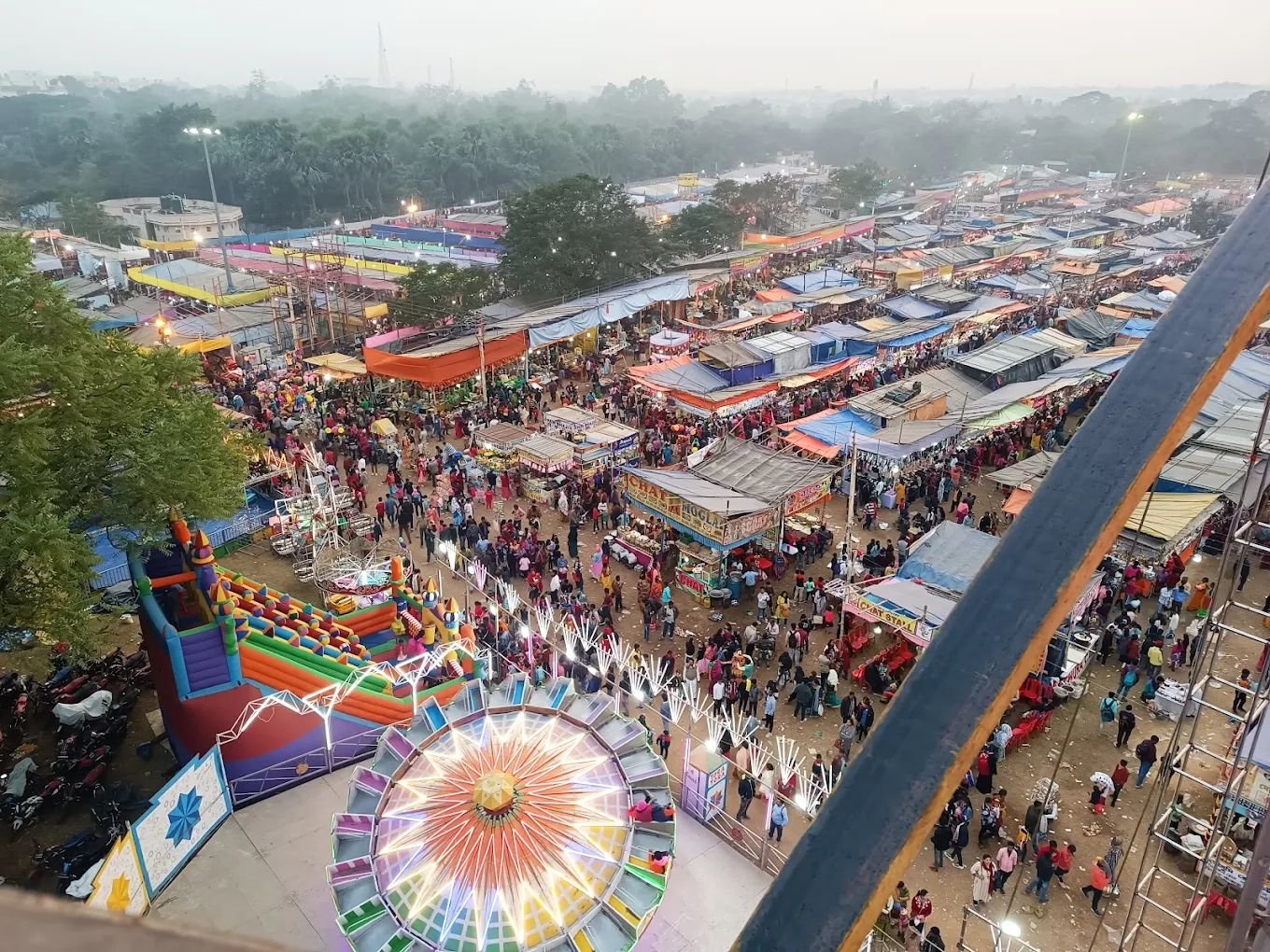
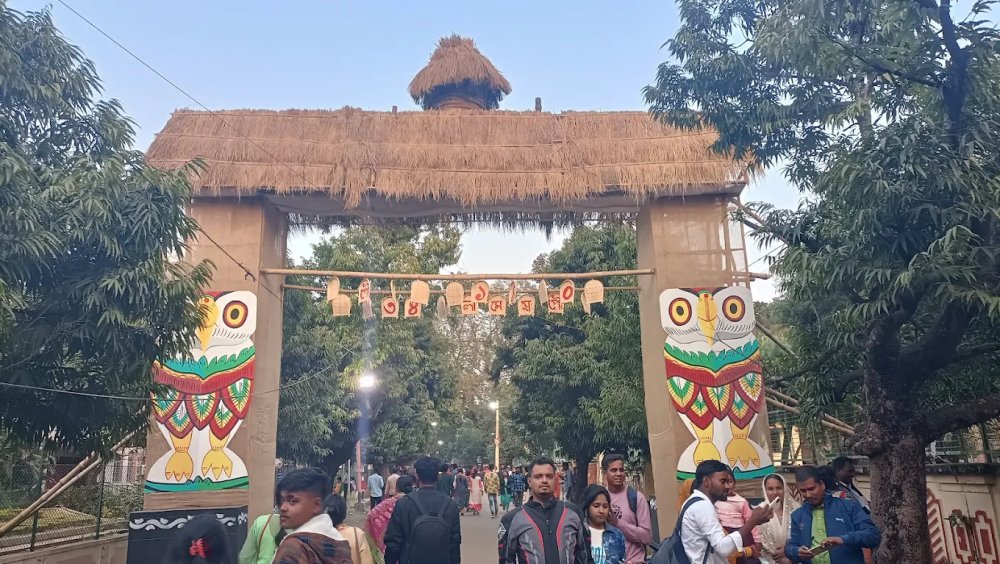
Poush Mela is one of the most distinctive annual cultural festivals associated with Santiniketan, Bolpur, Birbhum, West Bengal. The fair takes place around the Bengali month of Poush and is closely connected with the history of Santiniketan, the Brahmo tradition and the cultural environment developed by the Tagore family.
The festival is particularly known for its combination of Baul and folk music, traditional handicrafts, handloom products, local food, cultural performances and community participation. Visitors can experience the distinctive atmosphere of Santiniketan while exploring stalls featuring Bengal's traditional arts and crafts.
History of Poush Mela
The history of Poush Mela is connected with an important event in the history of Santiniketan.
On 21 December 1843, corresponding to 7 Poush 1250 in the Bengali calendar, Maharshi Debendranath Tagore, together with twenty followers, formally accepted the Brahmo creed from Ram Chandra Vidyabagish. This event became the foundation of the Poush Utsav tradition at Santiniketan.
Later, a Brahma Mandir was established at Santiniketan on 21 December 1891. A small fair was organised in 1894 in connection with the anniversary of the Brahma Mandir. This small gathering gradually developed into the much larger Poush Mela associated with Santiniketan today.
Initially, the fair was held on the ground north of the Brahma Mandir. As the fair grew, it was shifted to the Purbapalli field.
The fair has not been held continuously every year. The cited historical source records interruptions during the Bengal Famine of 1943, Direct Action Day in 1946 and the COVID-19 pandemic.
Poush Utsav and the Beginning of the Festival
The traditional Poush Utsav begins on 7 Poush, generally around 23 December.
The morning begins with the sound of the shehnai. The Vaitalik group traditionally moves around the ashrama singing, followed by a prayer meeting at Chhatimtala. The gathering then moves towards Uttarayan with songs.
This spiritual and cultural beginning is an important part of the identity of the festival.
Main Attractions
Baul Music
One of the biggest attractions of Poush Mela is Baul music. Baul singers and other Bengali folk performers create a distinctive musical atmosphere throughout the fair. Kirtan and Kobigan are also associated with the festival.
Folk Dance and Cultural Performances
The festival features Bengali folk performances, dances and traditional cultural activities. Santali and other folk traditions have also formed part of the fair's cultural programme.
Handicrafts and Handloom
Visitors can find a variety of traditional products, including:
- Handloom textiles
- Printed fabrics
- Kantha work
- Dokra and other handicrafts
- Terracotta products
- Wooden items and toys
- Traditional decorative products
- Locally made crafts
These stalls provide an opportunity to see and purchase products connected with the artistic traditions of Bengal and the surrounding region.
Bengali Food
Food stalls are another part of the fair experience, with visitors able to sample a variety of local and seasonal foods. Recent Santiniketan coverage has described the fair atmosphere with foods such as jilipi and ghugni, alongside other local offerings.
Cultural Importance
Poush Mela is more than a conventional marketplace. Its identity comes from the combination of Santiniketan's spiritual heritage, Tagore's cultural environment, Bengali folk traditions, rural craftsmanship and community participation.
The festival has historically brought together artisans, folk musicians, students, visitors and local communities in a shared cultural setting.
Location
Santiniketan, Bolpur, Birbhum, West Bengal, India
The historic fair has been associated with the Purbapalli fair ground as the event expanded.
How to Reach
By Train
The nearest major railway station is Bolpur Shantiniketan Railway Station. From the station, Santiniketan can be reached by local auto, toto, taxi and other local transport.
By Road
Santiniketan is connected by road with Bolpur, Suri, Durgapur, Bardhaman and Kolkata. Visitors can use buses, taxis, private cars or app-based transport.
Local Transport
During festival periods, local transport services can become considerably busier because of increased visitor numbers. It is therefore useful to plan accommodation and local transportation in advance.
Poush Mela vs Santiniketan Mela
These two names should not be treated as exactly the same event.
Poush Mela refers to the historic festival associated with the Poush Utsav tradition of Santiniketan and Visva-Bharati.
The term Santiniketan Mela is also used for contemporary community-led fairs and markets held around Santiniketan, focusing on local handicrafts, handloom, folk art, small enterprises and community activities. The current Wikipedia source explicitly distinguishes this contemporary Santiniketan Mela from the historic Poush Mela.
Products & Services
What Visitors Can Experience
- Traditional Bengali Baul music
- Folk songs and dances
- Santali cultural performances
- Handloom and handicrafts
- Bengal's traditional art and craft
- Local food stalls
- Cultural programmes
- Santiniketan's heritage environment
- Winter festival atmosphere
- Shopping for locally produced handicrafts
Customer reviews
0 verified community reviews
★ 0.0
No reviews yet for this business.
Similar businesses nearby
View allData Baba Mazar Sharif Patharchapuri | Sufi Shrine, Urs Mela & Religious Heritage of Birbhum· Patharchapuri
Sonajhuri Haat Santiniketan | Khoai Mela, Handicrafts, Baul Music & Local Culture· Kabi Mohanpur
Taranya Community Park New Town | Taranya View Point, Waterfront Park & Cafe in Kolkata· Presidency Division